
Quality, compliance & logistics
Consistency is the product. Everything else is packaging.
A first container is easy. What decides whether you keep buying from India is whether the tenth container matches the first — and whether the paperwork clears customs without a phone call. This page sets out exactly how we control both.
IEC holder
Importer-Exporter Code issued by DGFT
Export documentation handled
Invoice, packing list, B/L, COO, phytosanitary, COA
Private label & custom packing
Buyer-branded artwork and pack sizes to specification
Sample-first policy
Approve the sample before you commit to an order
Quality & compliance
What we check, and what you receive as proof
A supplier is only as good as the batch that arrives. Here is what happens between the field and your container, and the documentation that evidences it.
Sourcing
Raw material is bought from established growing belts — onion from Maharashtra and Gujarat, garlic from Gujarat and Madhya Pradesh, coriander from Rajasthan, moringa from the southern and western belts. Lots are selected on maturity, dryness and freedom from sprouting or rot before they ever reach the line.
Cleaning & grading
Destoning, magnetic separation and sieving remove stones, metal, chaff and extraneous matter. Sortex-grade seed is used for coriander. Undersized, discoloured and damaged material is graded out rather than milled in.
Moisture control
Drying is run to a controlled curve and moisture is checked at dryer exit, after milling and again at packing. Moisture is the single biggest driver of caking, mould and lost shelf life in powders, so it is the number we watch hardest.
Lab testing
Each batch is tested for moisture, ash, acid insoluble ash, mesh conformity, colour and microbiology — total plate count, yeast and mould, Salmonella and E. coli. Pesticide residue and heavy-metal screening is run where the destination market requires it.
COA with every shipment
A Certificate of Analysis against the agreed specification travels with every consignment, referenced to the batch and packing date. Retention samples are held so any query after arrival can be checked against what actually shipped.
Third-party inspection on request
Nominate SGS, Bureau Veritas, Intertek or your own agent for pre-shipment inspection, drawing of samples and container loading supervision. We recommend it on a first order — it costs you little and settles the question of consistency.

Standard test panel
- Moisture & total ash
- Acid insoluble ash
- Mesh / particle size conformity
- Colour and appearance
- Total plate count, yeast & mould
- Salmonella and E. coli
Risk & control
The four things that actually go wrong — and what we do about them
Every experienced importer has been burnt by at least one of these. Rather than claim they never happen, here is the specific control against each.

Moisture above specification
Checked at dryer exit, post-milling and at packing. Bags are lined and sealed the same shift they are filled.
Microbiological failure at destination
Batch-level TPC, yeast and mould, Salmonella and E. coli testing, with steam-sterilised grades available for strict markets.
Colour or mesh drift between shipments
Retention samples from every batch, and mesh conformity checked against the approved sample rather than a general grade name.
Incomplete or late documentation
The document set is prepared in parallel with production and couriered plus emailed, not assembled after the vessel sails.
Logistics & shipping
Ports, terms, lead time and the document set
Everything you need to slot us into an existing supply chain — including the paperwork your customs broker will ask for.
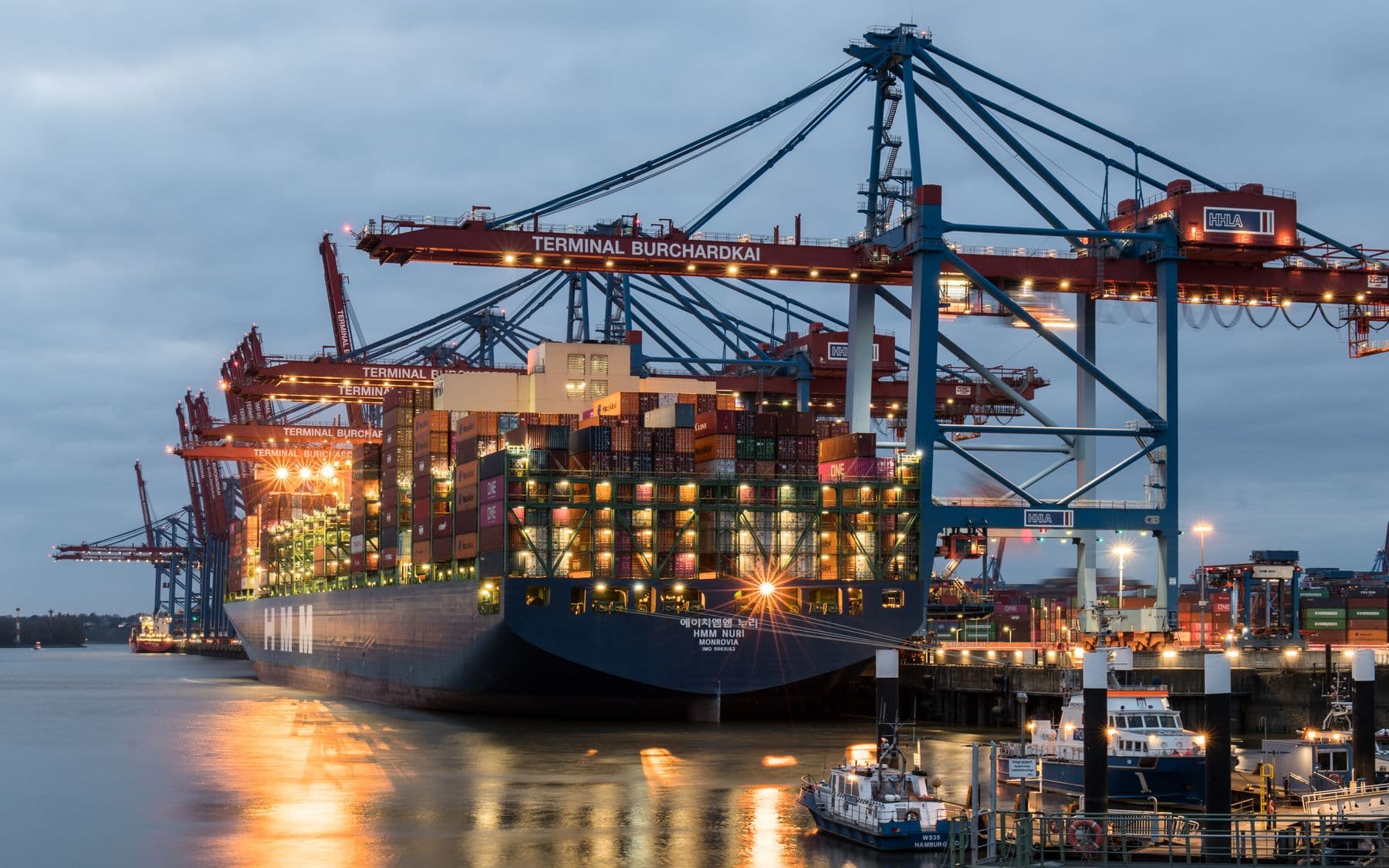
Ports of loading
- Nhava Sheva (JNPT), Mumbai — INNSA
- Mundra, Gujarat — INMUN
Air freight from Mumbai (BOM) for samples and urgent trial quantities. LCL consolidation available where a full container is not yet justified.
Lead time
- Samples
- 3 – 5 working days
- Standard packing
- 12 – 18 working days
- Private label
- 18 – 25 working days
Measured from confirmed order and receipt of advance to gate-in at port of loading.
Incoterms supported
- FOB
- Delivered and loaded at Nhava Sheva or Mundra; you nominate the line and carry freight from there.
- CIF
- We book the vessel and cover freight and insurance to your named port of discharge.
- CFR
- Freight to your port covered by us; you arrange marine insurance at your end.
Not sure which term suits you? Tell us your destination port and we will quote both FOB and CIF so you can compare landed cost properly.
Documents provided
- Commercial Invoice
- Packing List
- Bill of Lading
- Certificate of Origin
- Phytosanitary Certificate
- Certificate of Analysis (COA)
Arranged on request
- Health / free-sale certificate
- Fumigation certificate
- Legalised or chamber-attested documents
- Non-GMO, allergen and vegan declarations
How we work
From first enquiry to sailing — six clear steps
Most buyers want to know exactly what happens after they press send. This is the whole process, and where you sit in it at every stage.
- 01
Enquiry
You send product, mesh size, quantity, destination port and any specification you must meet. We confirm feasibility the same or next business day.
- 02
Sample dispatch
A 100–250 g representative sample goes out by courier with its specification sheet, so your QA team evaluates the actual material before anyone commits.
- 03
Quotation — FOB or CIF
A written offer with unit price, packing, Incoterm, port of loading, lead time and validity period. No hidden line items added later.
- 04
Order confirmation
Proforma invoice issued, payment terms agreed, production slot booked. Your artwork is finalised here if you are taking private label.
- 05
Quality check & documentation
Batch tested and a COA raised against your agreed specification. Export documents prepared in parallel; third-party inspection arranged if you want it.
- 06
Dispatch & tracking
Container stuffed and sealed, B/L released, and the full document set couriered and emailed. You get the container number and sailing schedule.
Next step
Send us your specification — we will tell you straight if we can meet it
Share your target parameters, quantity and market. If a specification is not achievable at a price that works, we would rather say so now than fail a batch at your gate.